


Difference Between Industrial Power Supply and Personal Power Supply
Industrial equipment requires stable and reliable power. Personal devices usually need simple and compact power solutions. These two power supply types serve very different purposes. Understanding the difference helps engineers choose the right product. This article outlines the differences between the two, while also demonstrating how to select the appropriate solution from GVE.
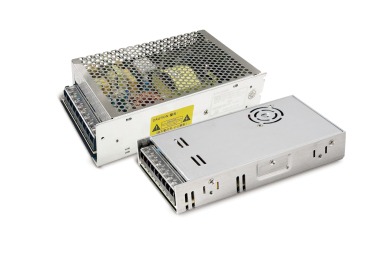
What Is an Industrial Technology Power Supply
An industrial technology supply is designed for demanding environments. It provides stable voltage under harsh conditions. It supports automation systems, factory machines, and control cabinets. Compared with consumer adapters, industrial units are built for durability and long-term operation.
Industrial power supply units usually work continuously. They must handle vibration, dust, and temperature changes. They also require high efficiency and protection features.
Typical Industrial Application Scenarios
- Industrial automation equipment
- PLC control systems
- Robotics and motion control
- Factory production lines
- Security monitoring systems
- Communication infrastructure
- Medical industrial equipment
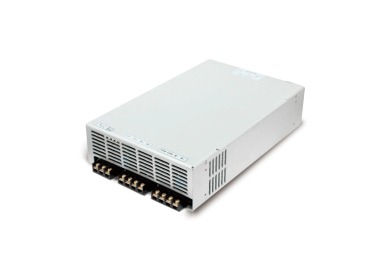
Typical Specifications
| Specification | Typical Range |
| Input Voltage | 85–264VAC |
| Output Voltage | 5V / 12V / 24V / 48V |
| Power Range | 15W – 600W |
| Efficiency | Up to 94% |
| Operating Temperature | -30°C to +70°C |
| Protection | OVP / OCP / SCP / OTP |
| Mounting | DIN rail / enclosed |
These specifications match many models from GVE industrial power supply series.
Industrial technology power supply solutions focus on reliability. They ensure stable operation in critical environments. This is why industrial automation systems rely on them.
What Is a Personal Power Supply
A personal power supply is designed for consumer electronics. It provides power for daily-use devices. These power supplies prioritize size and cost. They are not designed for harsh environments.
Common personal power supply devices include:
- Laptop adapters
- Phone chargers
- Desktop PC power supply
- Portable power banks
- Home electronics adapters
Personal power supply units usually work indoors. They operate in stable temperatures. Their load changes frequently. They do not require long continuous operation.
Stability Requirements
Personal power supplies focus on:
- Compact size
- Low cost
- Basic safety protection
- Short-term use
- Lightweight design
They are not optimized for vibration resistance. They do not support extreme temperatures. This makes them unsuitable for industrial equipment.
Why Choose Industrial Power Supply
An industrial technology power supply is designed for continuous operation and can withstand high temperatures. It also offers a long lifecycle, advanced protection features, and stable voltage output, which are essential for industrial automation systems.
Personal power supplies cannot meet these requirements. They may fail under heavy load. They also lack industrial certifications. This leads to system instability.
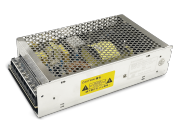
Key Differences Between Industrial Power Supply and Personal Power Supply
Industrial and personal power supplies are designed for different operating conditions. An industrial technology power supply focuses on stability and durability, while personal power supply units emphasize compact size and low cost. The following comparison highlights the main differences between these two solutions.
Operating Environment
Industrial technology power supply units operate in harsh environments. They handle dust, vibration, and humidity. They also tolerate high temperatures.
Personal power supply units work in clean indoor spaces. They are not designed for industrial conditions.
| Feature | Industrial Power Supply | Personal Power Supply |
| Temperature Range | Wide | Narrow |
| Dust Resistance | High | Low |
| Vibration Resistance | Yes | No |
| Continuous Operation | 24/7 | Intermittent |
Lifespan and Durability
Industrial technology power supply products are designed for long-term operation. Many models support more than 50,000 working hours. They use industrial-grade capacitors and high-quality components to ensure reliability. Personal power supply devices, however, are intended for short-term usage. Their internal components are optimized for cost rather than durability, which results in a shorter lifespan.
Customer Requirements
Industrial users require high reliability and stable voltage output. They also need long warranty periods, safety certifications, and customization options. These requirements are critical for automation systems. Personal users, on the other hand, prioritize portability and affordability. Their main focus is compact design and convenience rather than continuous performance.
Cost Structure
An industrial technology power supply typically has a higher upfront cost. However, it reduces maintenance expenses and prevents downtime. This improves overall production efficiency. Personal power supply units are cheaper initially, but they may fail quickly in industrial applications, which increases long-term cost.
Technical Component Comparison
Technical design is another major difference between these two power supply types. Industrial technology power supply units use advanced architecture to ensure stable performance, while personal power supplies rely on simplified designs.
Power Output Comparison
Industrial technology power supply units provide stable output even under heavy load conditions. They support higher power ranges and maintain voltage accuracy. Personal power supply units usually offer limited output capacity, and voltage fluctuation is more common.
| Parameter | Industrial | Personal |
| Output Stability | High | Medium |
| Load Capability | Continuous | Limited |
| Ripple Noise | Low | Higher |
| Redundancy | Available | No |
Design Architecture Differences
Industrial technology power supply units use robust metal enclosures. They also include heat dissipation designs. Internal components are industrial grade.
Personal power supply units use plastic housings. They focus on lightweight design.
Cooling System Comparison
Cooling design is essential for continuous operation. Industrial technology power supply units often use passive cooling combined with metal heat sinks and optimized airflow. This design ensures stable temperature during long working hours. Personal power supply units rely on small vents and minimal thermal management, which limits their performance under heavy load.
Protection Features
Industrial technology power supply units include comprehensive protection mechanisms. These typically cover over-voltage protection, over-current protection, short-circuit protection, over-temperature protection, and surge protection. Personal power supply units usually provide only basic protection, which may not be sufficient for industrial equipment.
Regulatory Requirements
Different applications require different certifications. Industrial equipment must follow strict standards.
Industrial technology power supply certifications include:
- CE certification
- UL certification
- RoHS compliance
- IEC safety standard
- EMC compliance
Personal power supply devices usually require:
- Basic CE
- Basic safety approval
Industrial standards ensure reliability. They also ensure safe operation in factories.
How to Choose the Right Industrial Technology Power Supply
Choosing the right industrial technology power supply is important. Engineers should consider several factors.
Power Requirement: Calculate total load power. Add safety margin. Choose suitable wattage.
Operating Temperature: Check working environment temperature. Select wide-range models if needed.
Protection Level: Industrial systems require full protection features. Ensure OVP, OCP, and OTP.
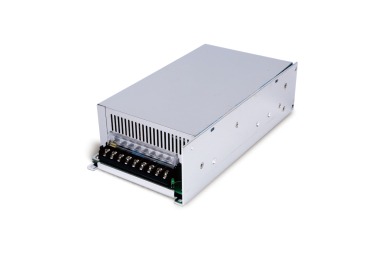
Mounting Method
Choose based on installation:
- DIN rail mounting
- Enclosed chassis
- Panel mount
Reliability
Select high-quality industrial technology power supply brands. Long lifespan reduces downtime.
GVE provides reliable industrial power supply solutions. Their products support multiple voltages. They also offer DIN rail and enclosed models. These products fit automation cabinets and industrial equipment.
GVE industrial technology power supply series offers:
- Wide input voltage
- High efficiency
- Compact design
- Full protection features
- Long service life
These features make them suitable for industrial automation.
Choosing the right industrial technology power supply is critical for ensuring stable operation in demanding environments. Compared with personal power supplies, industrial models provide better durability, longer lifespan, and advanced protection features. GVE offers reliable industrial technology power supply solutions designed for automation, robotics, and control systems. Their products feature wide input voltage, high efficiency, and compact design. By selecting GVE industrial power solutions, users can improve system stability and reduce maintenance costs. Visit GVE today to explore professional industrial technology power supply products.

FAQs
Q: What is industrial technology power supply?
A: An industrial technology power supply is a power unit designed for harsh environments. It provides stable voltage for automation and industrial equipment.
Q: Can I use personal power supply in industrial equipment?
A: It is not recommended. Personal power supply units cannot handle vibration, temperature, and continuous load.
Q: What certifications are required?
A: ndustrial power supplies usually require CE, UL, RoHS, and IEC certifications.
Q: What is the difference in voltage stability?
A: Industrial technology power supply units provide stable output. Personal power supplies may have voltage fluctuation.