


How to Choose the Right Charge and Adapter
In daily life, the terms chargers and adapters are often used interchangeably because both connect electronic devices to a power source. However, they serve different functions in electronic systems. Chargers are designed to manage the battery charging process, while power adapters mainly convert electrical power so devices can operate safely. Understanding the difference helps users choose the right power supply, protect their devices, and improve energy efficiency.
What Is a Charger Adapter
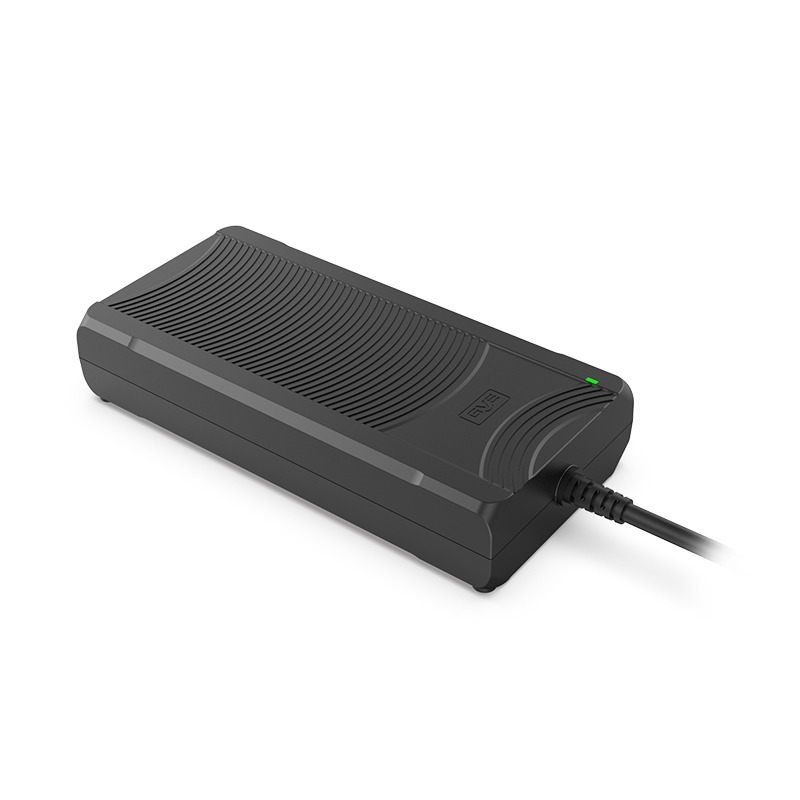
A charger adapter is commonly used to supply electrical power to charge rechargeable batteries or power portable electronic devices. Its primary function is to convert the high-voltage AC (alternating current) from a wall outlet into a safe DC (direct current) that electronic devices can use.
In many cases, people refer to any external power supply as a “charger adapter,” especially for small electronics such as phones and tablets.
Typical devices that use charger adapters include:
- Smartphones
- Tablets
- Laptops
- Cameras
- Portable speakers
- Power banks
When charging a battery-powered device, the charger works together with the internal charging circuit to control the charging process, ensuring safe and efficient power delivery.
What Is a Power Adapter
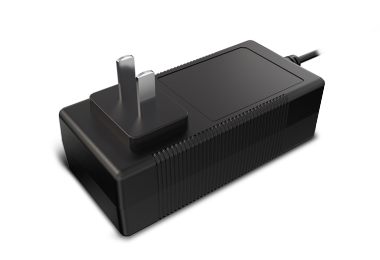
A power adapter converts electrical power so electronic equipment can operate safely.
Most power adapters convert AC power from a wall outlet into low-voltage DC power required by electronic devices. Unlike chargers, power adapters usually supply power directly to devices rather than controlling battery charging.
Power adapters are widely useed in many applications, including:
- Routers and networking equipment
- Security cameras
- LED lighting systems
- Computer monitors
- Smart home devices
These adapters ensure stable voltage and current output, protecting sensitive electronic components from electrical damage.
Key Differences Between Charger and Adapter
Although chargers and adapters may look similar, they perform different functions.
Below is a simple comparison.
| Feacture | Power Adapter | Charge |
| Main Function | Converts AC to DC power | Charges batteries |
| Charging Control | No battery control | Includes charging management |
| Typical Use | Power electronic devices | Charge batteries |
| Common Devices | Routers, LED lights | Phones, laptops |
The most significant difference is that chargers manage the battery charging process, while adapters mainly provide power conversion.
Why Chargers and Adapters Are Often Confused
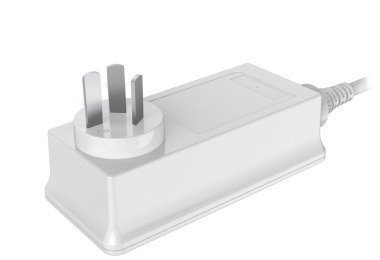
Many users find it difficult to distinguish between chargers and adapters. This confusion happens for several reasons.
Similar Appearance
Most chargers and adapters are designed as compact wall plugs or power bricks with cables. Because they look similar, users assume they perform the same function.
Built-in Charging Circuits in Devices
Modern electronics often include internal charging circuits. For example:
- smartphones
- laptops
- tablets
In these devices, the external adapter only supplies power, while the charging circuit inside the device controls the battery charging process.
Because of this design, people often call the adapter a charger.
Multi-purpose Power Devices
Some power supplies are designed to both power devices and charge batteries, making the difference even less obvious to everyday users.
Types of Chargers and Adapters
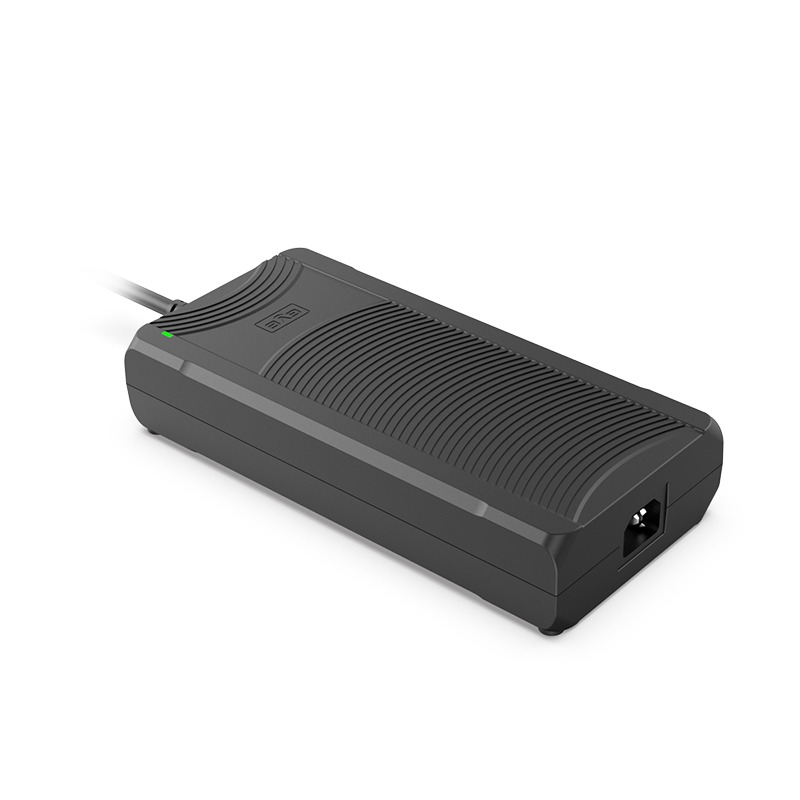
Different devices require different types of chargers and adapters. Understanding the available options can help users select the correct power solution.
Wall Plug Adapters
Wall plug adapters are compact power supplies that plug directly into an electrical outlet.
They are commonly used for:
- smartphones
- small electronics
- IoT devices
Their small size makes them ideal for portable devices.
Desktop Power Adapters
Desktop adapters are larger power bricks that sit on the floor or desk.
They are typically used for:
- laptops
- LED lighting systems
- industrial equipment
- security devices
These adapters provide higher power output compared with small wall adapters.
USB Chargers
USB chargers are widely used for portable electronics.
Common examples include:
- phone chargers
- tablet chargers
- wireless earbuds chargers
Modern USB chargers often support fast-charging technologies to reduce charging time.
Industrial Battery Chargers
Industrial chargers are used for high-capacity batteries and specialized equipment.
Applications include:
- power tools
- electric vehicles
- warehouse equipment
- robotics systems
These chargers include advanced charging management to ensure battery safety.
How to Choose the Right Charger or Adapter
Selecting the correct power supply is essential for device safety and performance.
Here are the key factors to consider.
Voltage Compatibility
Always ensure that the adapter or charger voltage matches the device requirement.
Using the wrong voltage can cause:
- device malfunction
- overheating
- permanent damage
Current Rating
The power supply should provide equal or greater current than the device requires.
For example: If a device requires 2A, the adapter should provide 2A or more.
Connector Type
Different devices use different connectors. Common types include:
- USB-C
- Micro-USB
- Barrel connectors
- DC plugs
Always confirm connector compatibility before purchasing.
Safety Certifications
Reliable chargers and adapters should meet international safety standards.
Common certifications include:
- UL
- CE
- FCC
- RoHS
These certifications ensure safe operation and electrical protection.
High-quality manufacturers like GVE design power adapters that meet global safety standards for reliable performance.
Common Applications of Chargers and Adapters
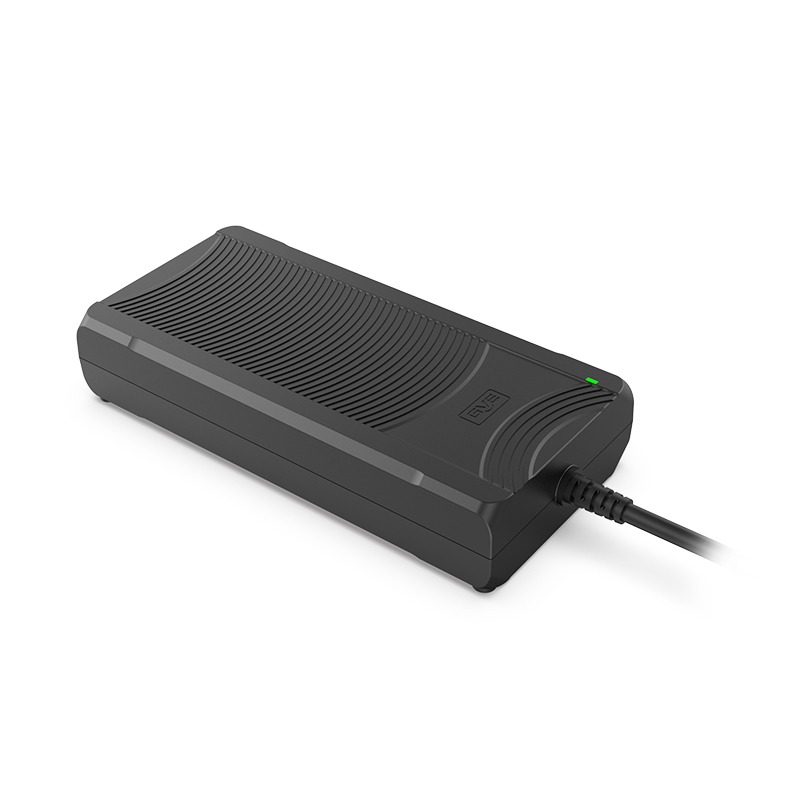
Chargers and adapters are used in many industries and everyday products.
Consumer Electronics
Adapters and chargers power a wide range of devices, including:
- smartphones
- tablets
- headphones
- portable gaming consoles
Smart Home Devices
Many smart home systems rely on external adapters, such as:
- WiFi routers
- smart cameras
- smart speakers
- smart lighting
Industrial Equipment
Industrial devices also require reliable power adapters.
Examples include:
- automation systems
- industrial sensors
- manufacturing equipment
- communication devices
Reliable adapters ensure stable operation and long equipment lifespan.
Although chargers and adapters are often confused, they serve different roles in electronic systems. A power adapter converts electrical power for devices, while a charger manages the battery charging process.

As a professional power adapter manufacturer, GVE offers reliable power solutions for consumer electronics, smart home systems, networking equipment, and industrial devices. Visit GVE to explore our range of high-quality power adapters and discover dependable power solutions for your applications.
FAQs
Q1:Are chargers and adapters the same?
A1:No. Chargers control the battery charging process, while adapters mainly convert electrical power for devices.
Q2:Can a power adapter charge a battery?
A2:Yes, but only if the device contains an internal charging circuit.
Why do laptop adapters charge batteries?
Laptop adapters supply power, while the internal laptop charging circuit controls the battery charging process.
Q3:What happens if you use the wrong adapter?
A3:Using the wrong adapter may cause device damage, overheating, or unstable power supply.