


The Difference Between Waterproof & Water-Resistant Power Supply
Waterproof power supplies are widely used in outdoor and industrial applications. However, many users confuse waterproof with water-resistant. This article explains the real difference. It also helps you choose the right IP-rated power supply from GVE.
Waterproof Does Not Always Mean Fully Waterproof
The term “waterproof” is often misunderstood. In real use, it does not always mean full protection against water. Most waterproof power supplies are designed based on IP ratings. They can handle specific levels of water exposure, not unlimited water conditions. Many users expect full submersion protection. This is not always true. The real performance depends on design and IP rating.
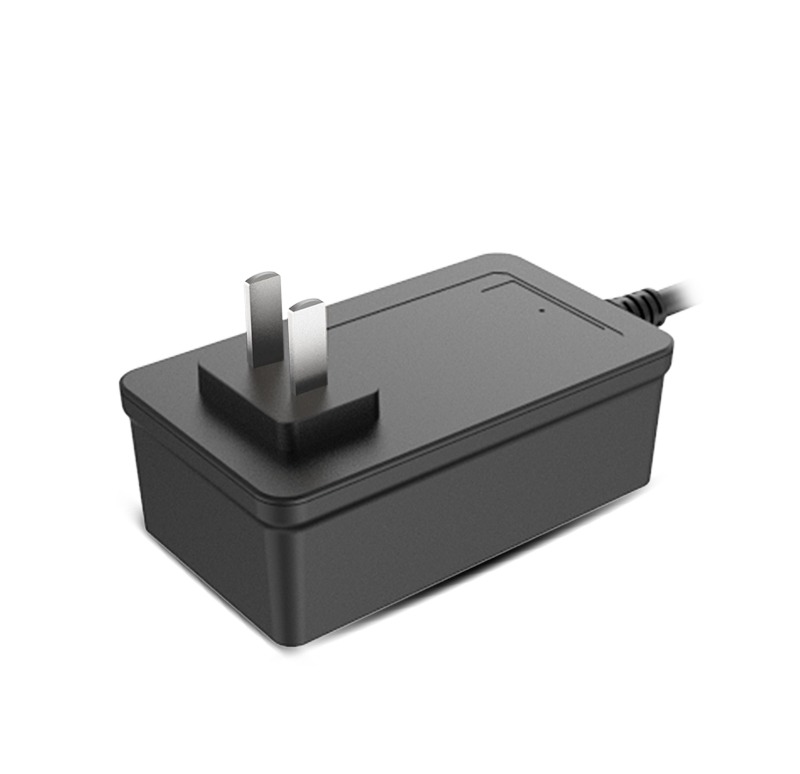
Key Diference form Waterproof and Water-Resistant Power Supply
Waterproof and water-resistant power supplies are not the same. The difference is mainly in protection level and usage environment.
Waterproof power supply usually refers to IP67 or IP68 level. It can handle stronger water exposure and even temporary immersion.
Water-resistant power supply is usually IP54 or IP65. It is suitable for rain or light splash but not for water immersion.
Waterproof models are used in harsher environments. Water-resistant models are used in basic outdoor or indoor applications.
Waterproof power supplies also cost more. They use better sealing, stronger housing, and higher protection materials.
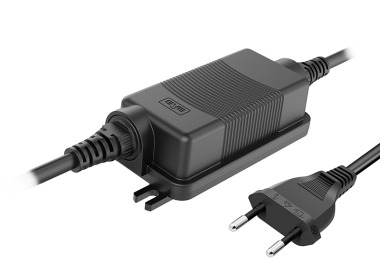
Feature Comparison
|
Feature |
Waterproof Power Supply |
Water-Resistant Power Supply |
|
Protection Level |
High (IP67/IP68) |
Medium (IP54/IP65) |
|
Water Exposure |
Temporary submersion |
Rain / splash |
|
Application |
Marine, outdoor harsh environments |
Indoor / semi-outdoor |
|
Cost |
Higher |
Lower |
Waterproof power supplies offer higher protection. Water-resistant types are for lighter use. Choose based on your application.
Understanding IP Ratings (IP65 vs IP67 vs IP68)
IP rating is the key standard for waterproof power supplies.
- IP65 means protection against rain and water jets. It is suitable for outdoor lighting but not immersion.
- IP67 means protection against temporary water immersion. It is widely used in outdoor LED systems and industrial environments.
- IP68 means protection for deeper or longer water immersion under controlled conditions. It is used in marine or underwater applications.
GVE IP67 water power supplies are widely used in LED outdoor lighting and industrial systems.
Can a Waterproof Power Supply Be Submerged in Water?
Not all waterproof power supplies are designed for water immersion. The ability to be submerged depends entirely on the IP rating.
In general, IP65 products cannot be used in water. IP67 models can handle short-term immersion. IP68 offers higher protection, but it still has depth and time limits. Long-term underwater use is not recommended for any standard waterproof power supply.
IP Rating vs Water Immersion Ability
- IP65: No submersion allowed. Only rain and water splashes.
- IP67: Can handle short-term immersion, but not long-term underwater use.
- IP68: Can be used in water under controlled conditions, but depth and time are still limited.
Even IP68 waterproof power supplies are not designed for unlimited underwater operation. Each IP level has clear limits. Choosing the correct rating based on the application is essential for safety, stability, and long-term performance.
Why Some Waterproof Power Supplies Still Fail
Waterproof power supplies can still fail in real environments. One common reason is seal aging. Over time, sealing materials lose performance. Heat is another issue. Poor heat dissipation can reduce stability. Cable entry points are also weak areas. Water may enter if not properly installed. Low-quality materials can also reduce lifespan. GVE waterproof power supplies are designed with aluminum housing and strong sealing to improve reliability.
Do You Still Need a Waterproof Box or Enclosure?
Many users think a waterproof power supply does not need extra protection. This is not always correct. Many users think a waterproof power supply does not need extra protection. This is not always correct. Outdoor environments are also unpredictable. Rain, dust, and pressure can still affect performance. In most cases, a proper IP-rated power supply is enough. For extreme environments, an additional enclosure is recommended.
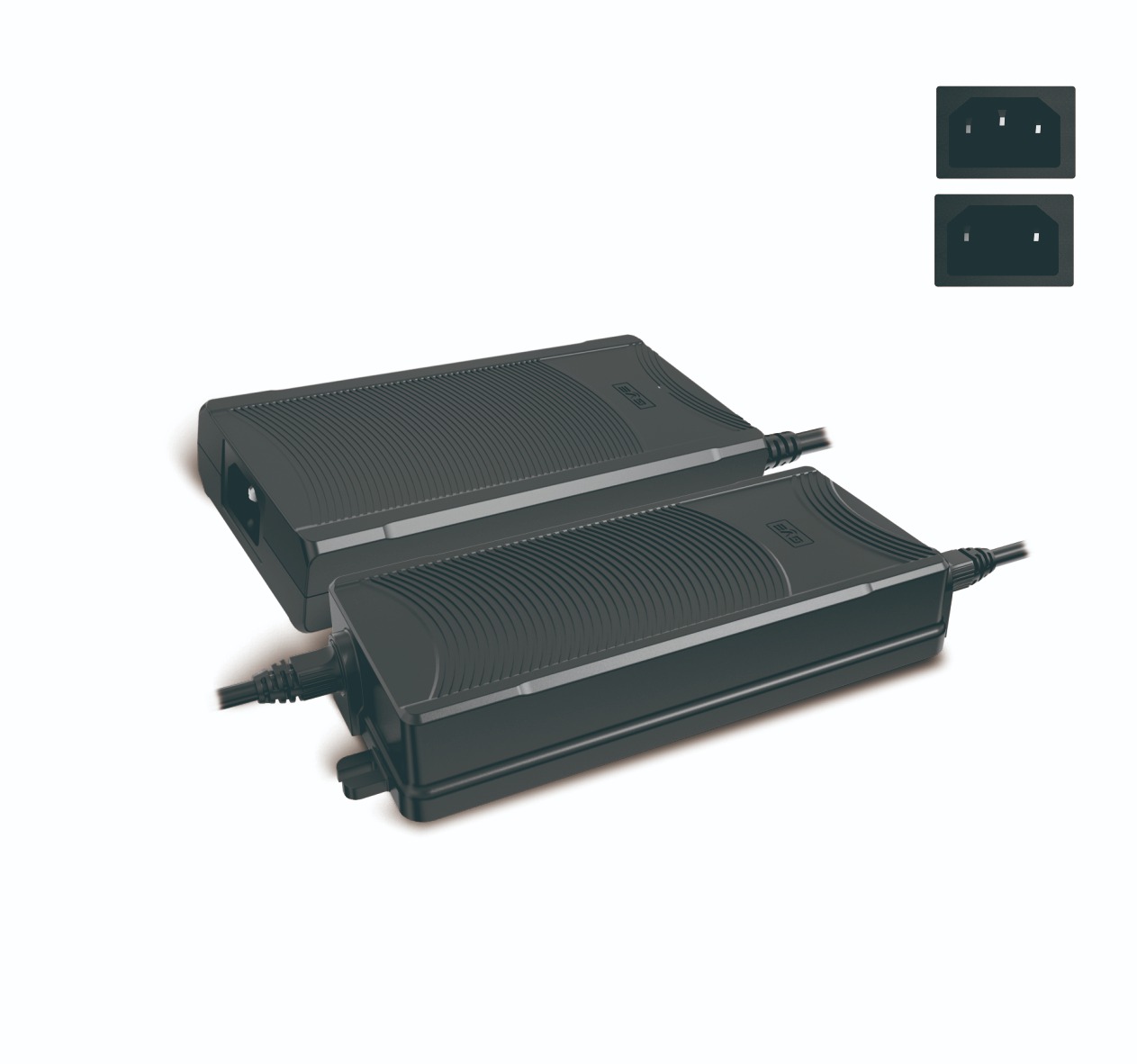
How to Choose the Right Waterproof Power Supply
Choosing the right waterproof power supply depends on where and how it will be used. Different environments require different IP protection levels.
Outdoor LED Lighting
For outdoor LED lighting, IP65 or IP67 is usually enough. It can handle rain, dust, and normal outdoor conditions.
It is widely used for gardens, buildings, and street lighting. GVE provides waterproof power supply for LED light outdoor use with stable performance and long service life.
Heavy Rain / Harsh Environment
For heavy rain or harsh environments, IP67 is recommended. It provides stronger sealing and better water protection.
It can handle temporary water immersion and more complex outdoor conditions. It is suitable for outdoor signage, construction sites, and exposed installations.
Marine / Underwater Use
For marine or underwater use, IP68 is required. It is designed for continuous water exposure under controlled conditions.
It is commonly used in boats, docks, fountains, and underwater lighting systems where stable waterproof performance is critical.
Industrial Use
For industrial applications, the key focus is stability and heat dissipation. The environment may include dust, humidity, or long working hours.
In this case, selecting a reliable waterproof power supply is more important than only focusing on IP rating. GVE industrial waterproof power supply solutions are designed for continuous and stable operation.
The right waterproof power supply depends on the application environment. IP65 is suitable for basic outdoor use, IP67 works for harsher conditions, and IP68 is required for underwater applications. Industrial use requires attention to stability and heat performance. Choosing the correct level helps improve safety, reliability, and product lifespan.
Key Factors to Consider Before Buying
Before choosing a waterproof power supply, several factors should be checked. IP rating is the most important factor. It defines water protection level. Material is also important. Aluminum housing improves durability and heat control. Heat dissipation affects long-term stability. Installation environment also matters. Indoor and outdoor conditions are different. Certification such as CE and RoHS ensures product quality.

Conclusion
Waterproof and water-resistant power supplies are different in protection level and usage. Waterproof does not always mean full water protection. IP rating is the real standard. Choosing the right power supply depends on your application. GVE provides reliable waterproof power supply solutions for LED lighting, outdoor systems, and industrial use. We help customers select the right IP-rated product for stable long-term performance.
FAQs
Q: What is the difference between waterproof and water-resistant power supply?
A: Waterproof power supply has higher protection like IP67 or IP68. Water-resistant is only for rain or splash protection.
Q: Can a waterproof power supply be submerged in water?
A: Only IP67 and IP68 models can handle limited immersion. IP65 cannot be submerged.
Q: Is IP65 enough for outdoor LED lighting?
A: Yes, IP65 is suitable for most outdoor lighting applications with rain exposure.
Q: Do I need a waterproof box if I use a waterproof power supply?
A: In most cases no, but extra protection is recommended for harsh environments.
Q: What happens if a waterproof power supply gets wet?
A: It depends on IP rating. Lower-rated products may fail or short circuit.