


LED Driver Compatibility Guide 2026
LED drivers do not work with every LED light. Compatibility matters for performance and safety. This guide explains how to choose the right LED driver. It covers types, selection tips, dimming, troubleshooting, and lifespan factors for reliable LED lighting in 2026.
Why LED Driver Compatibility Matters
LED drivers regulate power to LEDs. They convert AC to stable DC output. The wrong LED driver causes flickering, short lifespan, and overheating. Proper LED driver compatibility prevents these problems and saves money on repairs. Many people search for the best LED driver solutions to avoid failures in home and commercial setups.
Good LED drivers improve efficiency and safety. They meet standards like UL and CE. Choosing the right LED driver ensures long-lasting LED lights. In 2026, energy efficiency and smart features make proper LED driver selection even more important for modern projects. Businesses and homeowners want reliable LED driver performance to cut costs and reduce maintenance.
LED Driver Types Explained
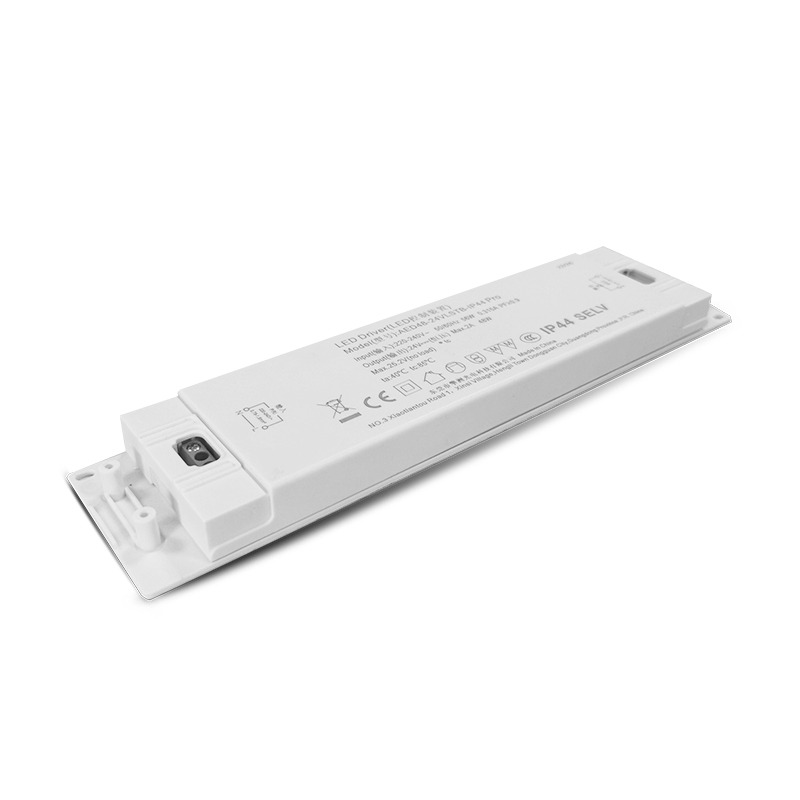
Constant Current LED Drivers
Constant current LED drivers supply fixed current. Voltage changes as needed. These suit high-power LEDs and downlights. They keep consistent brightness across varying conditions.
Constant Voltage LED Drivers
Constant voltage LED drivers deliver fixed voltage like 12V or 24V. Current adjusts to the load. They work well with LED strips and parallel setups.
Always match the LED driver type to your lights. Mixing them leads to poor performance. Understanding these LED driver types forms the base for successful installations.
How to Choose the Right LED Driver
Key Specifications to Check
Follow these steps to select a compatible LED driver. Start with LED specifications. Check voltage, current, and wattage needs. Add extra capacity for safety. This buffer handles small variations and future expansions.
Environmental Considerations
Consider the installation environment. Indoor LED drivers focus on compact size and quiet operation. Outdoor or industrial LED drivers need waterproof ratings and heat resistance. High humidity or dusty areas require special LED driver protection.
Dimming and Certification Factors
Dimming is another key factor. Many projects need dimmable LED drivers. Match the protocol to avoid issues. Popular options include 0-10V and PWM for smooth control. Review the full system before purchase.
Review certifications for safety. High-efficiency LED drivers reduce energy costs. Look for strong power factor ratings too. These steps help you find the best LED driver for your needs.
Take time to calculate total load accurately. Factor in cable length and voltage drop for long runs. Professional installers often create detailed plans for large LED driver systems.
LED Driver Compatibility Chart
Use this table to compare options quickly.
|
Feature |
Constant Current LED Driver |
Constant Voltage LED Driver |
|
Best For |
High-power LEDs, fixtures |
LED strips, tape lights |
|
Output |
Fixed current |
Fixed voltage |
|
Common Uses |
Downlights, panels |
Architectural lighting |
|
Dimming Support |
Good with proper matching |
Excellent for most systems |
|
Typical Applications |
Commercial, industrial |
Residential, decorative |
This LED driver compatibility overview prevents common mistakes.
Dimming with LED Drivers
Popular Dimming Protocols
Dimmable LED drivers add flexibility and energy savings. Not every LED driver supports dimming. Check compatibility with your dimmer switch.
TRIAC works with standard wall switches in homes. 0-10V suits commercial buildings and offers reliable control. PWM delivers flicker-free results ideal for video or sensitive environments. DALI offers smart control for large buildings.
Best Practices for Dimmable Setups
Choose the right LED driver for dimming to prevent buzzing or uneven light. Test combinations during setup for best performance. Many users seek dimmable LED driver solutions in 2026 for modern lighting. Tunable white and color changing systems need advanced dimmable LED drivers.
Integration with smart home systems grows popular. Some LED drivers connect directly to apps and voice assistants. This trend changes how people select LED drivers today.
LED Driver Troubleshooting Tips
Common Problems and Solutions
Problems can still occur even with a good LED driver. Learn basic LED driver troubleshooting.
Flickering often comes from overload or mismatch. Reduce the load or replace the LED driver. Lights that do not turn on may have wiring issues or failed output. Check connections first.
Overheating shortens LED driver life. Improve ventilation and avoid exceeding ratings. Use quality components to maintain stability. Clean dust from units regularly in industrial settings.
Preventive Maintenance
These LED driver troubleshooting steps fix most issues quickly. Regular checks keep systems running smoothly. Keep spare LED drivers on hand for critical locations. Document installations for faster future repairs.
LED Driver Lifespan and Reliability
The Role of Temperature and Components
LED driver lifespan depends on internal parts. Electrolytic capacitors wear out first due to heat. The 10-degree rule is important. Every 10°C rise cuts life in half. Proper cooling extends service years.
High-quality LED drivers use better capacitors and thermal design. They last longer in demanding environments. This reduces replacement costs over time. Industrial sites see major savings with durable LED drivers.
Protection Features and Monitoring
Choose LED drivers with strong protections. Overcurrent, overvoltage, and overtemperature features improve reliability. Industrial users especially benefit from durable LED driver options. Look for wide temperature ratings during selection.
Monitor operating conditions. Excessive heat or voltage spikes damage even good LED drivers. Surge protection adds extra safety in areas with unstable power.
Smart LED Driver Trends in 2026
Smart LED drivers integrate with home automation and sensors. They support protocols like Matter for easy control. These advanced LED drivers save energy through daylight harvesting and occupancy detection.
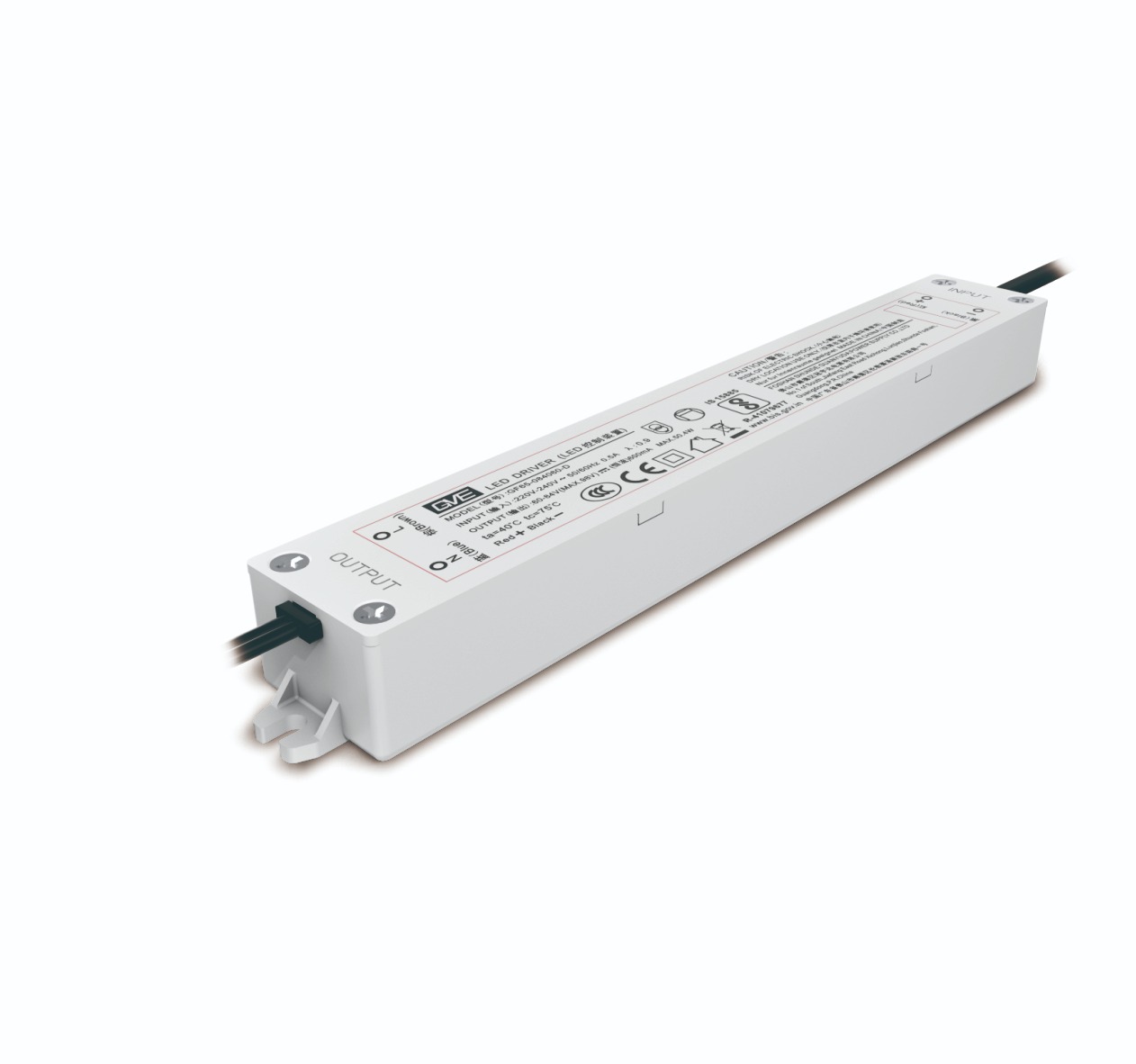
Future LED driver designs focus on efficiency and compactness. Wide voltage ranges make them versatile. Select LED drivers that support upgrades for long-term use. Wireless options reduce installation time.
Many new LED drivers include monitoring features. They report energy use and health status. This data helps maintenance teams prevent failures. The best LED driver choices now include smart capabilities for future proofing.
Common Mistakes with LED Drivers
Many people pick the wrong LED driver by ignoring datasheets. Overloading one unit causes failures. Using non-dimmable LED drivers for dimming creates problems. Always confirm ratings.
Skip cheap uncertified products. They fail early and create safety risks. Always verify LED driver compatibility before purchase. Consult experts for complex projects.
Another error involves poor wiring. Long cable runs without proper gauge cause voltage drop. This affects LED driver performance. Plan the full electrical layout carefully.
Why GVE LED Drivers Stand Out
GVE produces reliable LED drivers for many applications. Their models offer customization and global certifications. GVE LED drivers deliver stable performance in industrial and commercial settings. They support OEM needs too.
GVE focuses on quality components for longer life. Their LED drivers handle tough conditions well. Customers report fewer failures and better efficiency with GVE solutions.
FAQs
Q: What does an LED driver do exactly?
A: An LED driver converts AC power to stable DC output that LEDs can use safely. It regulates current or voltage to prevent damage from power fluctuations. Without a proper LED driver, LEDs experience flickering, overheating, and much shorter operating life. The LED driver also provides important protection features against overloads and short circuits in most quality models.
Q: Can any LED driver work with any LED lights?
A: No. LED driver compatibility depends on voltage, current, wattage, and type. Using the wrong LED driver often leads to immediate problems or gradual failure over time. Always check the LED product datasheet and match the driver specifications carefully. Factors like dimming requirements and environmental conditions also affect whether a specific LED driver will work well with particular lights.
Q: How do I choose the right LED driver for dimming?
A: Select a dimmable LED driver that matches your dimmer protocol. Common protocols include TRIAC for basic wall switches, 0-10V for commercial control, and PWM for smooth operation. Test the combination in real conditions to ensure smooth performance without flicker or buzzing. Consider the minimum and maximum load requirements of the LED driver as well. Many modern projects benefit from advanced dimmable LED driver options that integrate with smart systems.
Q: What causes LED driver failure?
A: Heat, overload, and poor quality components are main causes. Good thermal management extends LED driver life significantly. Other factors include voltage spikes, dust buildup, and operating beyond rated specifications. Electrolytic capacitors inside the LED driver degrade over time, especially in hot environments. Choosing a high-quality LED driver with proper ratings helps avoid these failures and provides years of reliable service.
Q: Is a constant current or constant voltage LED driver better?
A:It depends on the lights. Constant current works for many fixtures while constant voltage suits strips and parallel arrays. Each LED driver type serves different wiring configurations and power needs. Review your LED specifications first. Many systems combine both types across different zones. Matching the correct LED driver type to the application ensures optimal brightness, efficiency, and longevity.
Q: How long do LED drivers last?
A: Quality LED drivers last 50,000 hours or more with proper use. Temperature control is key to longevity. Actual lifespan varies based on operating conditions, load levels, and component quality. Industrial environments may see shorter life without good ventilation. Investing in premium LED drivers with robust thermal design pays off through reduced replacements and downtime. Regular maintenance further extends useful service years.
Q: Do I need special tools to install LED drivers?
A: Basic electrical tools suffice for most jobs. A multimeter helps verify output during LED driver troubleshooting and initial setup. Wire strippers, screwdrivers, and voltage testers are usually enough. Follow all local electrical codes and safety practices. For complex commercial installations, professional electricians provide the best results and ensure full LED driver compatibility with the overall system.
Conclusion
GVE stands as a trusted leader in high-quality LED drivers designed for demanding applications. Our reliable solutions deliver exceptional compatibility, efficiency, and longevity. Choose GVE for your next lighting project to experience superior performance. Contact us today to find the perfect LED driver for your needs.